Person
·
fl 1867
Person
·
1918-
Helper in the Prosectorium at ZSL London Zoo
Person
·
1829-1901
Arthur Cates was an English architect
Person
·
fl 1865
Person
·
fl 1890
New South Wales Zoological Society
Person
·
1899-
Lorry Driver's Mate at ZSL Whipsnade Zoo
Person
·
1900-2001
Alexander James Edward Cave was a British anatomist. Cave was Senior Demonstrator and Lecturer in Anatomy at the University of Leeds until 1933, when he became the Curator of the Anatomical Museum at University College in London. He also became Arnott Demonstrator and Professor of Human and Comparative Anatomy at the Royal College of Surgeons. For more than two decades, he was Professor of Anatomy at St Bartholomew's Hospital. He was also Examiner in Anatomy for London University, Cambridge University, and the Royal University of Malta. He was elected to the Royal College of Surgeons as a Fellow in 1959, and was granted lifetime membership to the Anatomical Society. He served as president of the Linnean Society from 1970 to 1973
Person
·
1895-1950
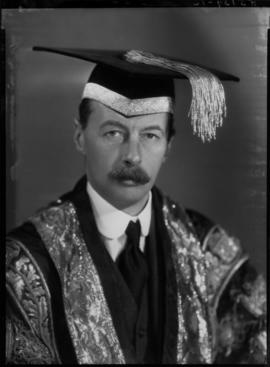
Edward William Spencer Cavendish, 10th Duke of Devonshire, known as the Marquess of Hartington from 1908 to 1938, was a British politician. He was head of the Devonshire branch of the House of Cavendish. He was President of the Zoological Society of London 1948-1950
Person
·
fl 1991
Person
·
1876-1959
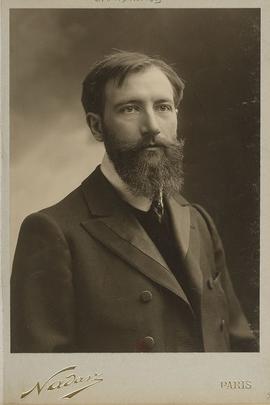
Paul Chabanaud was a French ichthyologist and herpetologist. Beginning in 1915, he worked as a volunteer under zoologist Louis Roule at the Museum National d'Histoire Naturelle in Paris. In 1919-1920, he undertook a scientific expedition to French West Africa (Senegal, Guinea) on behalf of the museum, during which he collected thousands of zoological specimens. Following his return to Paris, he served as a preparator in the laboratory of biologist Jean Abel Gruvel at the museum. He specialised in the anatomy and systematics of the flatfish and was the taxonomic authority of many herpetological and ichthyological species