Person
·
fl 1992
Corporate body
·
fl 1945
Person
·
fl 1880-1891
Corporate body
·
1857-
Diergaarde Blijdorp, officially Rotterdam Zoo, is a zoo located in the northwestern part of Rotterdam. It is one of the oldest zoos in the Netherlands and has been operated by the Stichting Koninklijke Rotterdamse Diergaarde (Royal Rotterdam Zoo Foundations). In 1855, a garden was set up for pheasants and waterfowl in the centre of Rotterdam, near the Kruiskade. It was a success and on May 18th 1857, the Rotterdamsche Diergaarde was opened as a sequel. The first director was the animal trainer Henri Martin. The same year the Vereniging Rotterdamsche Diergaarde was founded. In 1932 it was decided to reorganise the zoo. In 1937 it was decided to move the zoo to a new location
Person
·
1877-1923
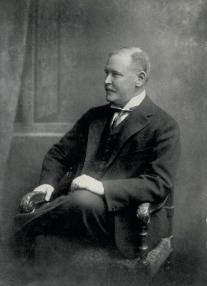
Nathaniel Charles Rothschild was an English banker and entomologist and a member of the Rothschild family. He is remembered for The Rothschild List, a list he made in 1915 of 284 sites across Britain that he considered suitable for nature reserves. He devoted much of his energies to entomology and natural history collecting. His enormous collection of some 260,000 fleas in now in the Rothschild Collection at the Natural History Museum. He described about 500 new flea species
Person
·
1868-1937
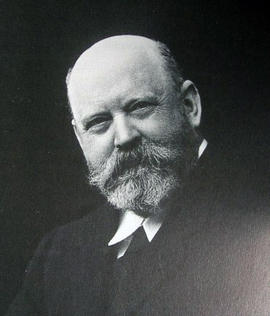
Lionel Walter Rothschild, 2nd Baron Rothschild, Baron de Rothschild was a British banker, politician, zoologist and soldier. Rothschild studied zoology at Magdalene College, Cambridge. At its largest, Rothschild collection included 300,000 bird skins, 200,000 birds' eggs, 2,250,000 butterflies and 30,000 beetles as well as thousands of specimens of mammals, reptiles and fish. They formed the largest zoological collection ever amassed by a private individual. The Rothschild giraffe, a subspecies with five ossicones instead of two, was named after him. Another 153 insects, 58 birds, 17 mammals, three fish, three spiders, two reptiles, one millipede and one worm also carry his name. Rothschild opened his private museum in 1892. It housed one of the largest natural history collections in the world and was open to the public. In 1932, he was forced to sell the majority of his bird collection to the American Museum of Natural History. In 1933, he was one of eleven people involved in the appeal that led to the foundation of the British Trust for Ornithology, an organisation for the study of birds in the British Isles. On his death in 1937, his museum and all of its contents were given in his will to the British Museum (Natural History). The Walter Rothschild Zoological Museum at Tring is now a division of the Natural History Museum
Person
·
1882-1942
Major Lionel Nathan de Rothschild was a British banker and Conservative politician best remembered as the creator of Exbury Gardens by the New Forest in Hampshire. He was the eldest son of Leopold de Rothschild and a part of the prominent Rothschild banking family of England. In 1910, he was elected to the House of Commons. In 1917, he co-founded the anti-Zionist League of British Jews
Person
·
1810-1876
Sir Anthony Nathan de Rothschild was a British financier and a member of the prominent Rothschild banking family of England
Person
·
1842-1918
Alfred Charles de Rothschild was the second son of Lionel de Rothschild and Charlotte von Rothschild of the Rothschild family
Animal
·
fl 1943
African Lion presented by the Zoological Society of London to Sir Winston Churchill as a war mascot and to commemorate victories in North Africa